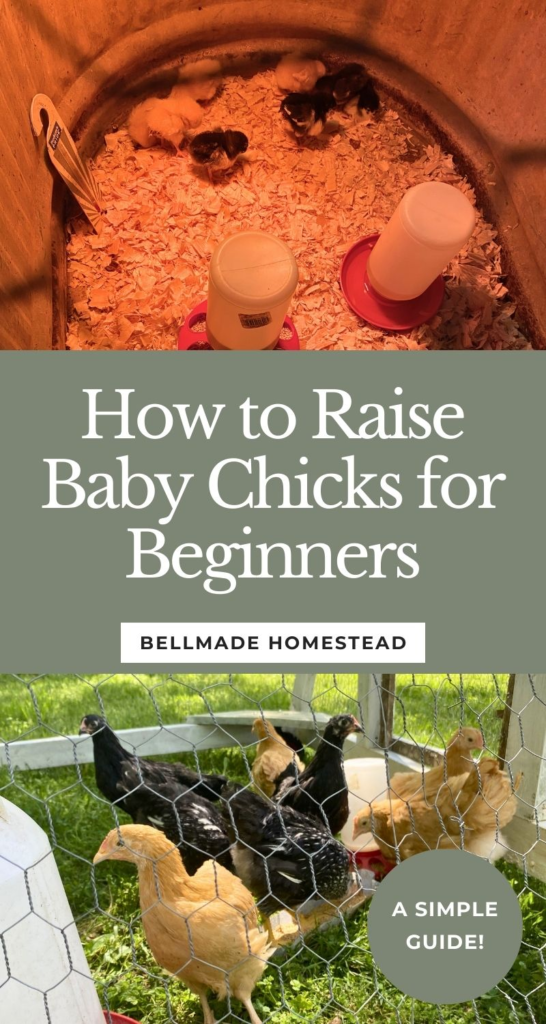
How to Raise Baby Chicks for Beginners

This post may contain affiliate links, please read our disclosure policy for details.
If you’re planning to start a backyard flock this year, learning how to raise baby chicks is the very first step. Those tiny, fluffy chicks may look simple to care for, but they depend on you completely during their first several weeks of life.
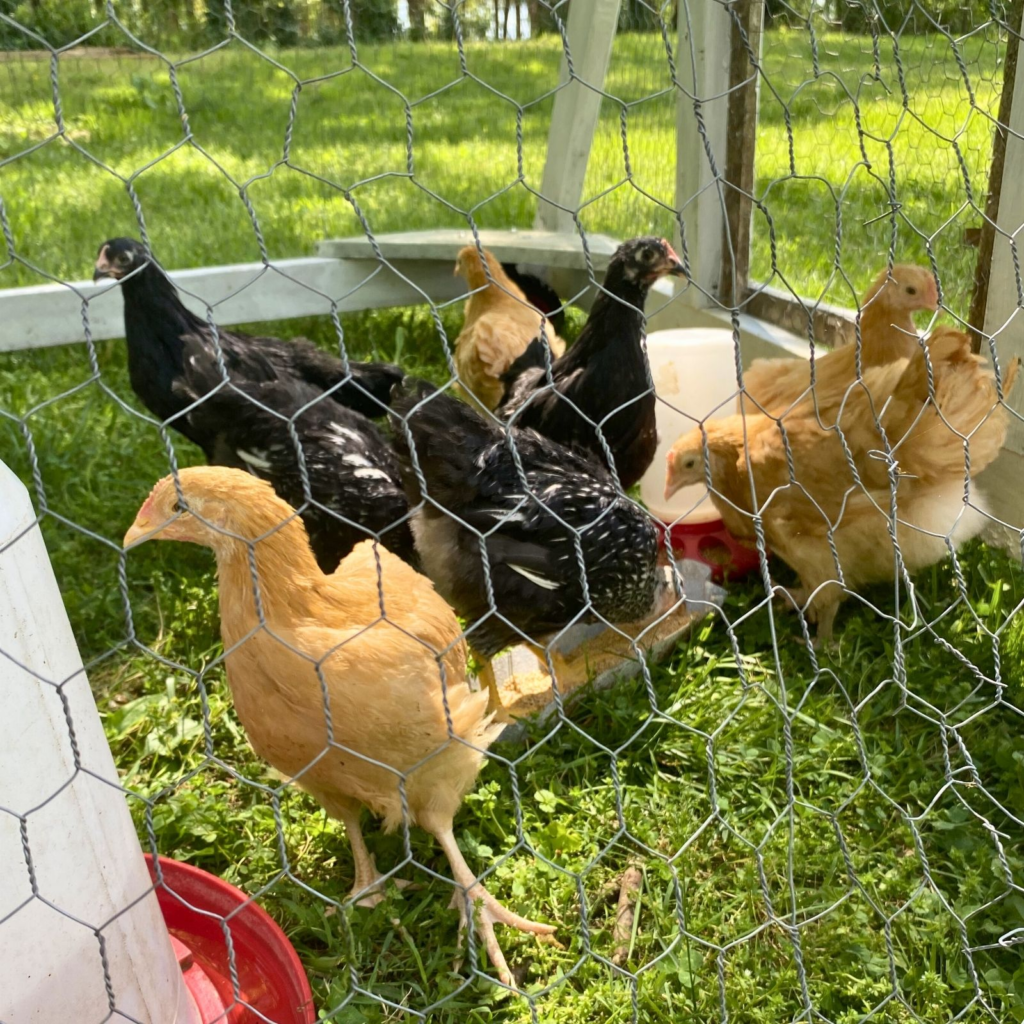
With a warm brooder, proper feed, clean water, and a little daily attention, raising baby chicks can be one of the sweetest and most rewarding parts of homesteading. Let’s walk through everything you need to know so you can feel confident from day one.
What You’ll Learn
Supplies You’ll Need Before Bringing Chicks Home
Before your chicks arrive, have everything ready and set up. The first few hours matter, and you don’t want to be scrambling for supplies while they’re cold or stressed.
Here’s what you’ll need:
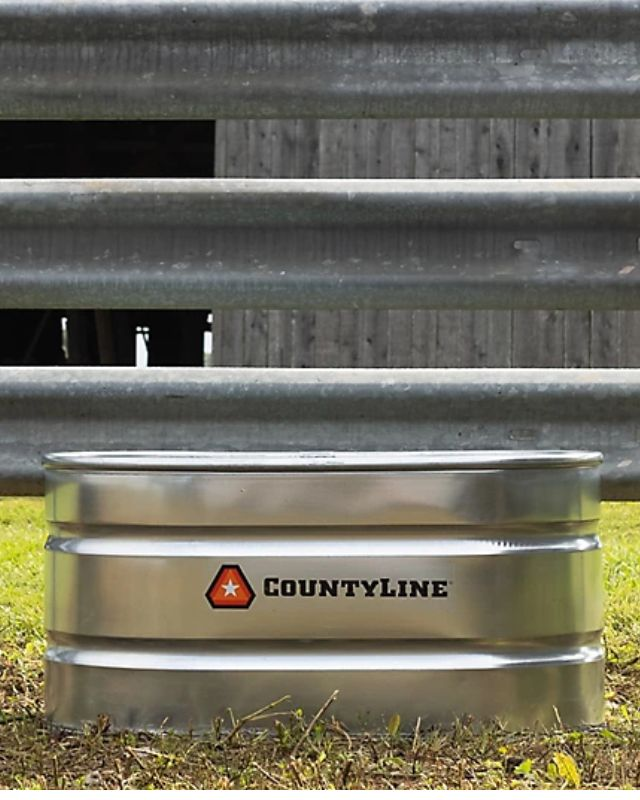
- A brooder box (large tote, stock tank, or wooden brooder)
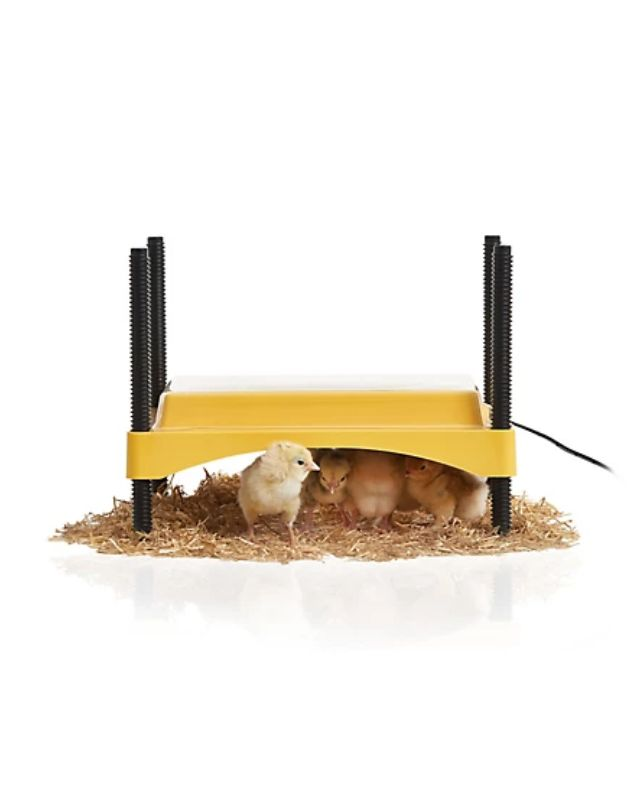
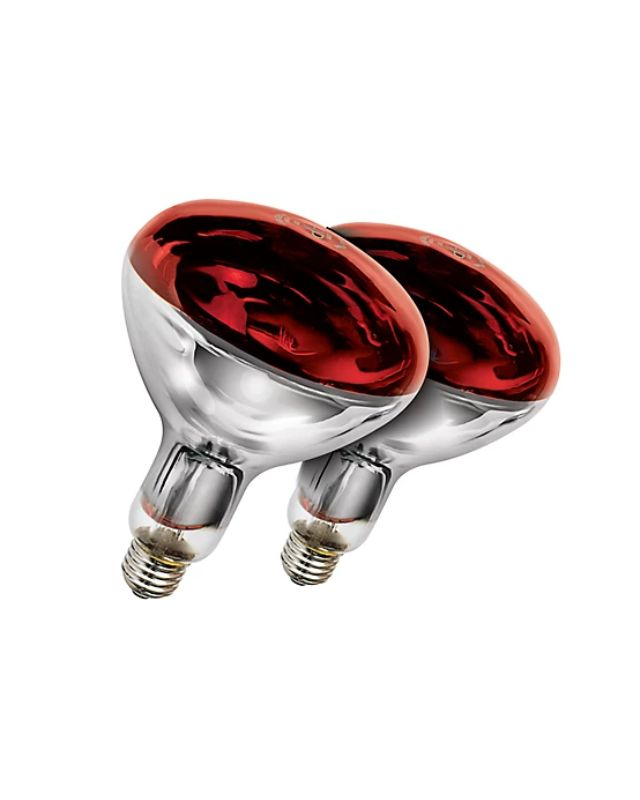
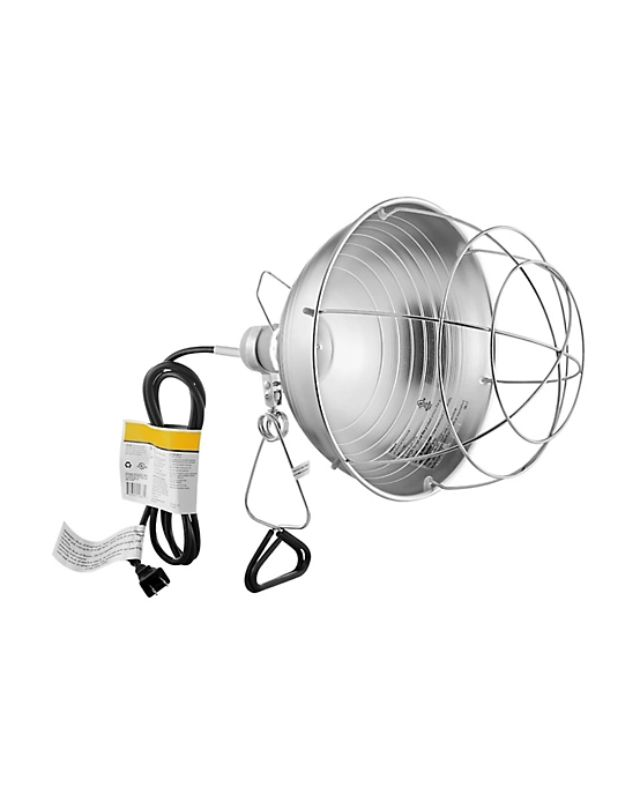
- Heat lamp or heated brooder plate (a slightly cheaper option)
- Thermometer
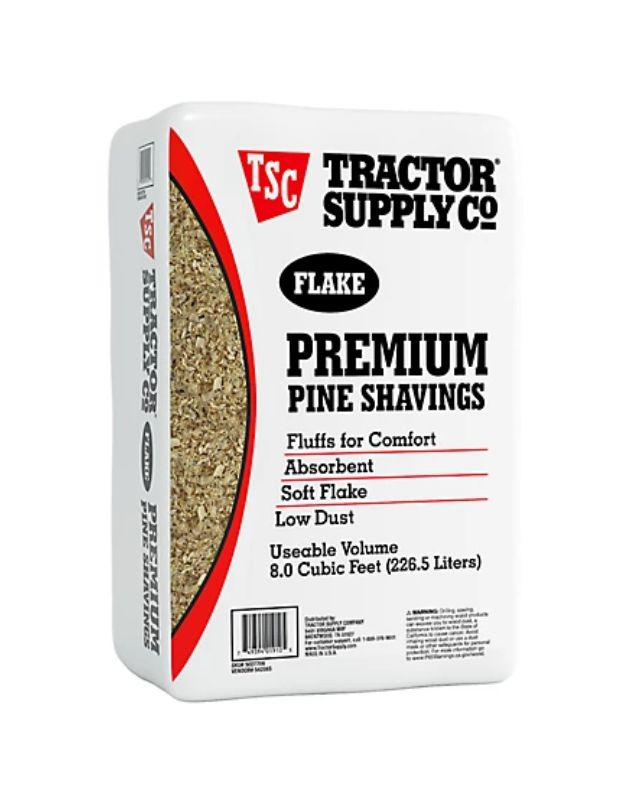
- Pine shavings (no cedar, it can be toxic to chickens)
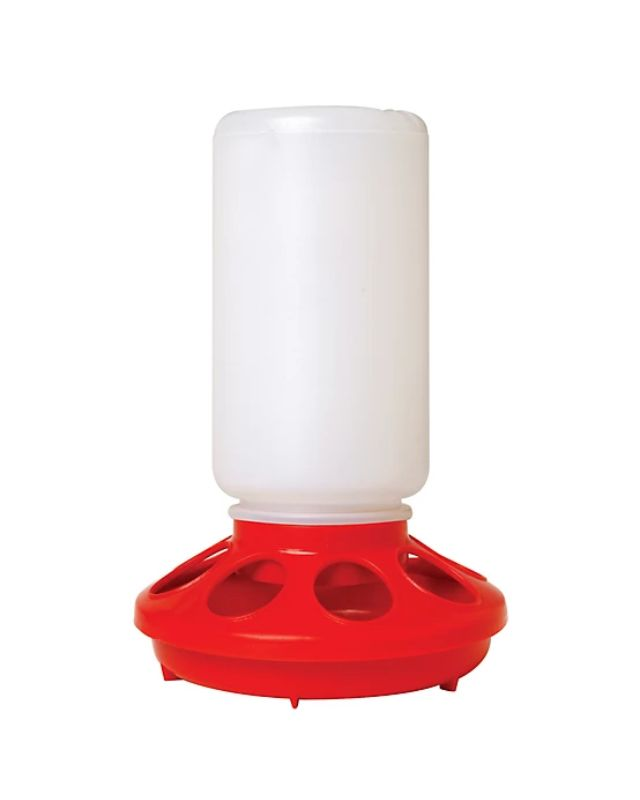
- Chick feeder
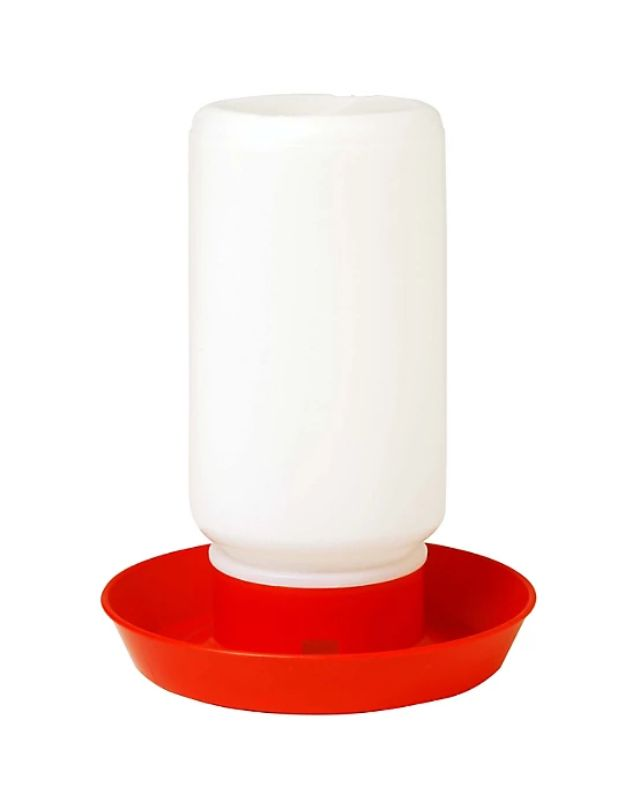
- Chick waterer
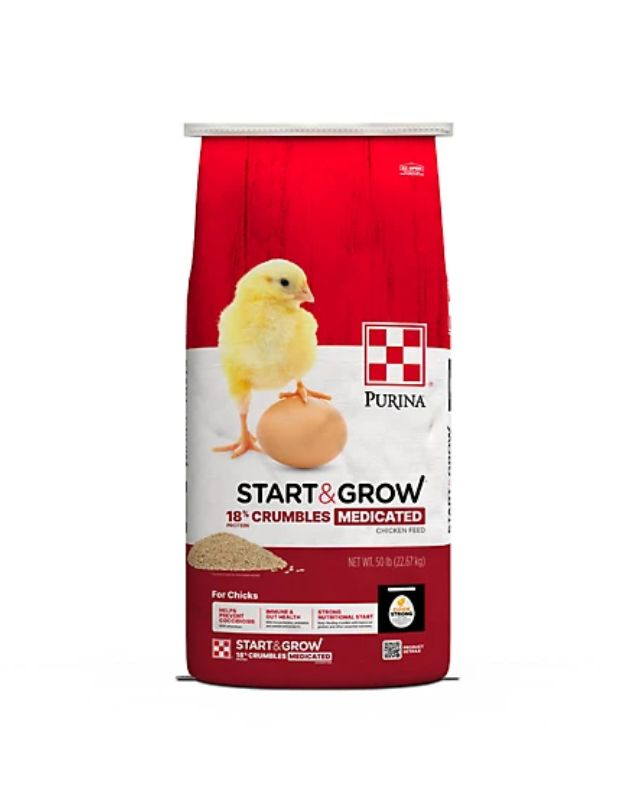
- Chick starter feed (I use a medicated one to prevent Coccidiosis – no antibiotics used)
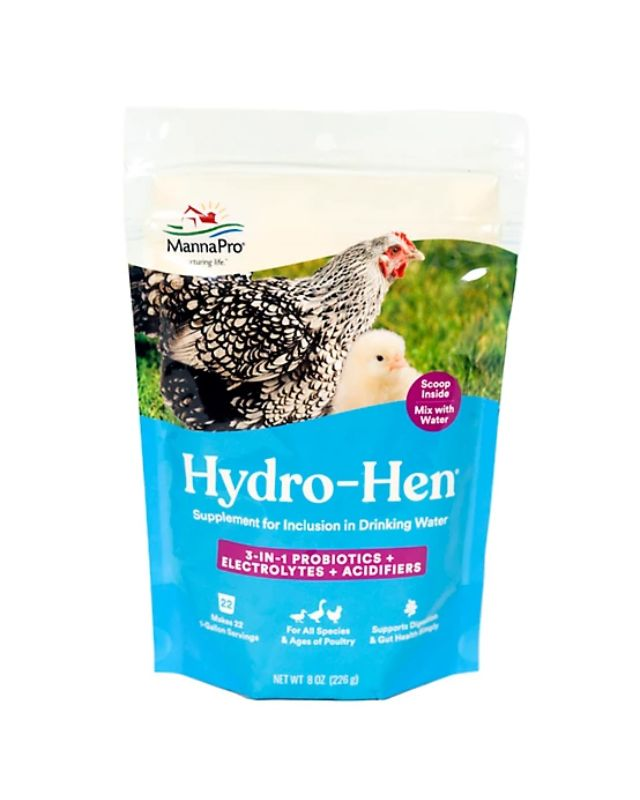
- Electrolyte powder
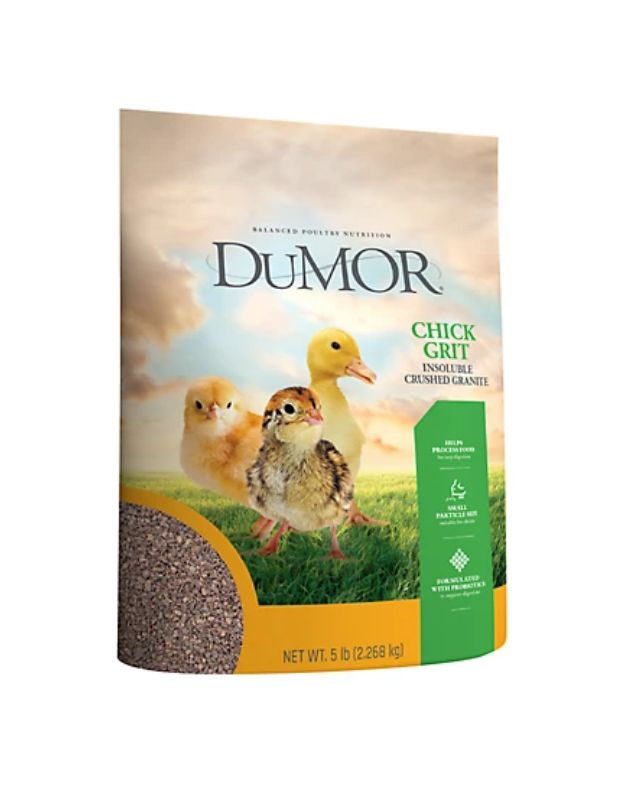
- Chick grit (offer around 3 weeks old)
- Small perch (optional after a couple weeks)
Set everything up 24 hours before bringing chicks home so you can test the temperature and make adjustments.
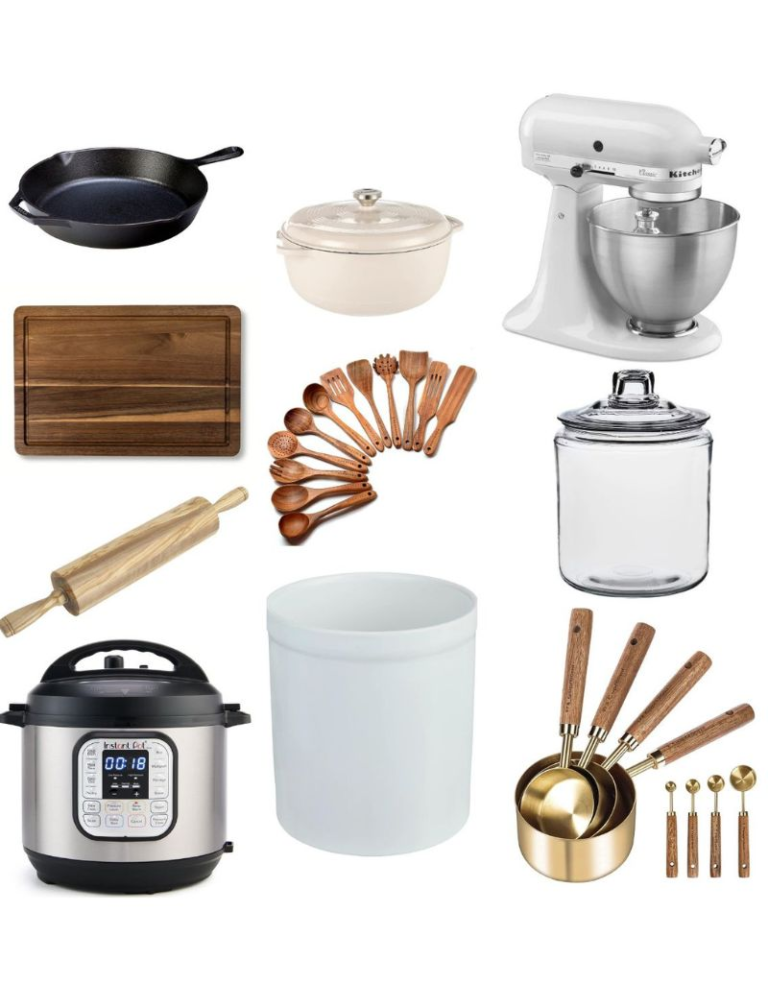
Shop the Post

How to Set Up a Simple Chick Brooder
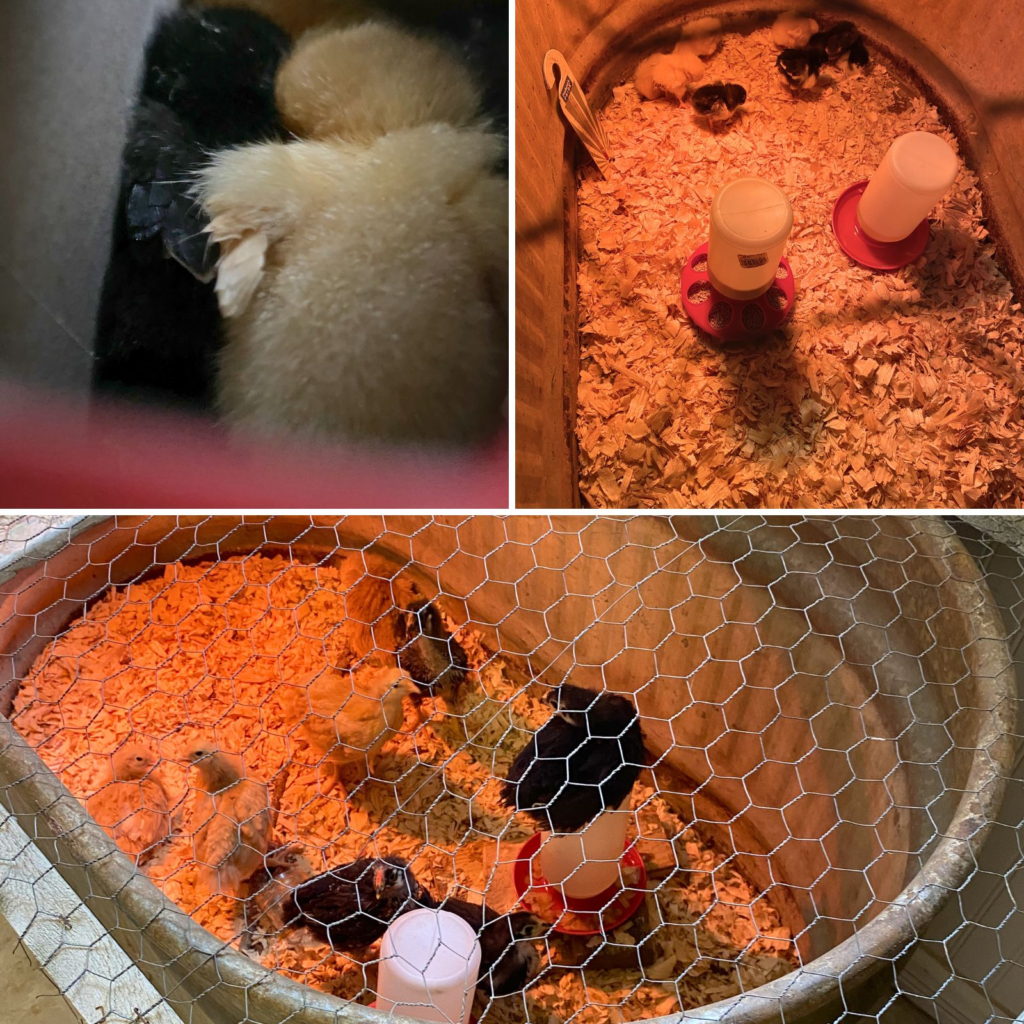
Your brooder is your chicks’ temporary home for 6 weeks. Start by placing 1 to 2 inches of pine shavings in the bottom. Set up the feeder and waterer where they won’t sit directly under the heat source. I set mine on top of small wooden blocks to keep them cleaner.
For temperature:
- Week 1: Use the thermometer to make sure the temperature is 95°F. Moving the heat lamp closer or higher up as needed. I attach the lamp to the side of the brooder with clamps to keep it securely in place. I also built a makeshift lid with wood and chicken wire to keep it from falling in.
- Lower the temperature by 5 degrees each week by raising the heat lamp up more.
- By week 6, they should no longer need supplemental heat if fully feathered.
Watch your chicks, they’ll tell you if the temperature is right.
- If they are huddled tightly under the heat then they are too cold.
- If they are staying far from heat then they are too hot.
- If they are calm, moving around evenly then the temperature is just right.
What to Do When You Bring Baby Chicks Home
Show Them Water First
After traveling, chicks can become dehydrated quickly. Gently dip each chick’s beak into the water so they know where it is. Adding electrolyte powder to their water for the first few days can help reduce stress.
Then Show Them Food
Once they’ve had water, guide them to the feeder. Use a chick starter crumble designed specifically for baby chicks. This should be their main food source.
Check for Pasty Butt
During the first week, especially, check each chick daily for pasty butt. This is when droppings stick and harden around their vent, blocking them from passing stool.
If you notice buildup:
- Wear gloves
- Use a mildly warm (not hot) damp cloth
- Gently loosen and remove the dried droppings (this can take time, so be gentle and patient)
- Make sure the chick is dry before returning to the brooder

Free Resource library
The Country Living Toolkit
What to Feed Baby Chicks
Nutrition during the first 6 weeks sets the foundation for strong adult hens.
Chick Starter Feed
Choose a high-quality chick starter feed. You can choose medicated feed (to help prevent coccidiosis) or non-medicated depending on your preference. I prefer medicated since they will not be laying eggs for a while, and there are no antibiotics in the feed I give.
Fresh Water
Change water daily, sometimes twice a day. Chicks love to scratch bedding into everything, making the water dirty quickly. Place the waterer up higher on something like a wooden block to keep the water cleaner.
Supplements
Adding electrolytes to their water will help the chicks stay hydrated. You can also offer chick grit when they’re 3 weeks old. This helps them to digest their food properly.
Common Baby Chick Health Issues to Watch For
Spend a few minutes each day simply observing your chicks. Healthy chicks are active, curious, and peeping softly. Clean bedding, proper heat, and fresh water prevent most problems before they start. Do your research and ask your veterinarian for advice if any serious health issues occur.
Watch for:
- Pasty butt
- Lethargy or drooping wings
- Bloody stool (possible coccidiosis)
- Weak legs or trouble standing
When to Move Chicks to the Coop
Most chicks are ready to move to the coop around 6 weeks old. If you live in a very cold area, you could wait until they are almost 8 weeks old.
They’re ready when:
- Fully feathered
- No longer needing supplemental heat
- Nighttime temperatures are moderate
Before moving them:
- Make sure the coop is predator-proof
- Add fresh bedding
- Set up feeder and waterer
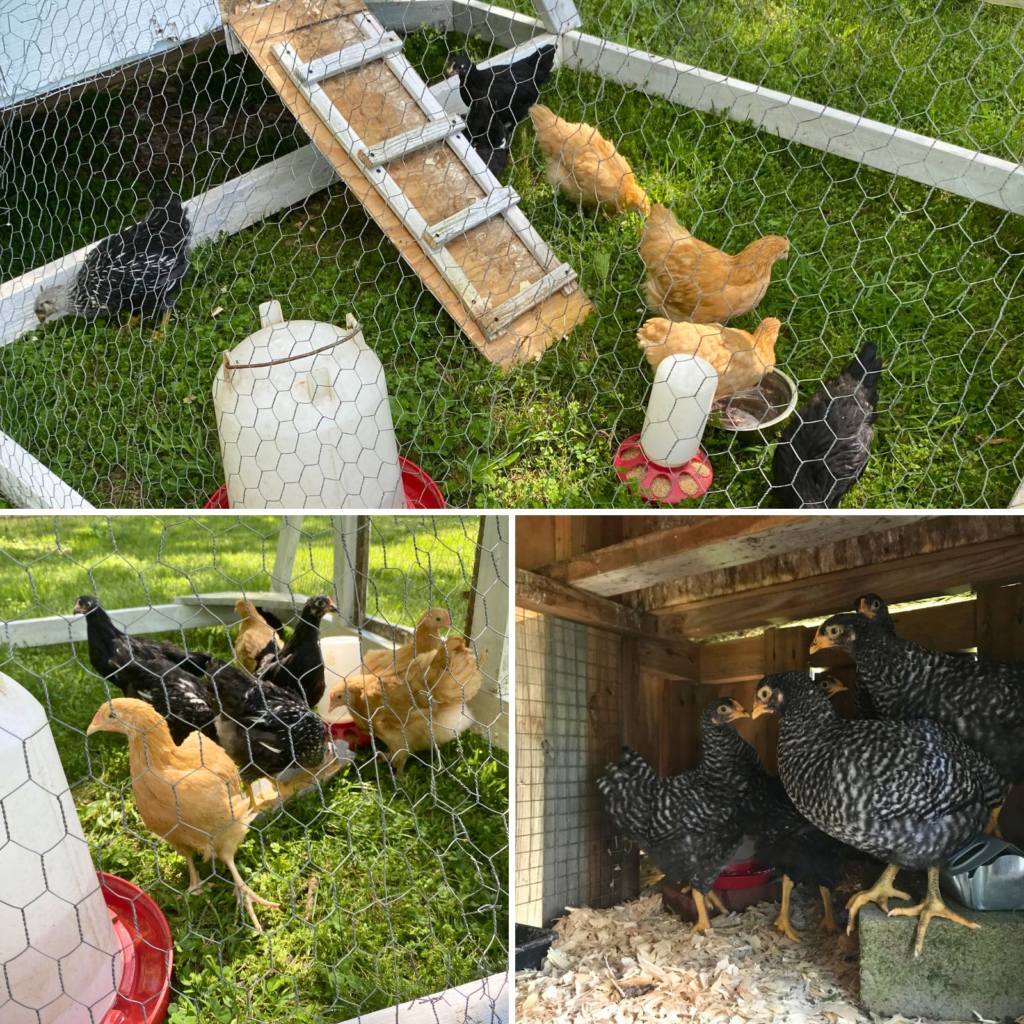
For the first few days, keep them inside the coop so they learn it is home. After that, you can begin letting them into the run during the day unattended.
You may need to place them inside the coop at night for the first week until they learn to roost on their own. Always lock them safely inside at night to protect from predators.
When Do Chicks Start Laying Eggs?
Around 21 to 26 weeks, your chicks will begin laying eggs, depending on their breed and the season. At about 18 weeks, transition them to layer feed. Layer feed contains extra calcium to help produce strong eggshells.
If you want to learn how to continue caring for your flock into adulthood, including coop management, egg production, and seasonal care, read my post on How to Raise Backyard Chickens for the next stage of your chicken-keeping journey.
Frequently Asked Questions
From Tiny Fluff to Backyard Flock
Raising baby chicks is more than just caring for cute little birds, it’s the beginning of your backyard flock. It takes preparation, daily attention, and a little patience, but watching them grow from tiny fluff balls into confident, egg-laying hens is deeply rewarding.
With a safe brooder, proper feed, clean water, and a smooth transition to the coop, you’ll be well on your way to a healthy flock and fresh eggs in the months ahead. And once you start, you may find yourself already planning your next batch of chicks.
Did you find this post helpful?
If you enjoyed this post, be sure to rate it and leave a comment below! Craving more? Follow along with me on Pinterest for more chicken and homesteading inspiration!
Pin for Later