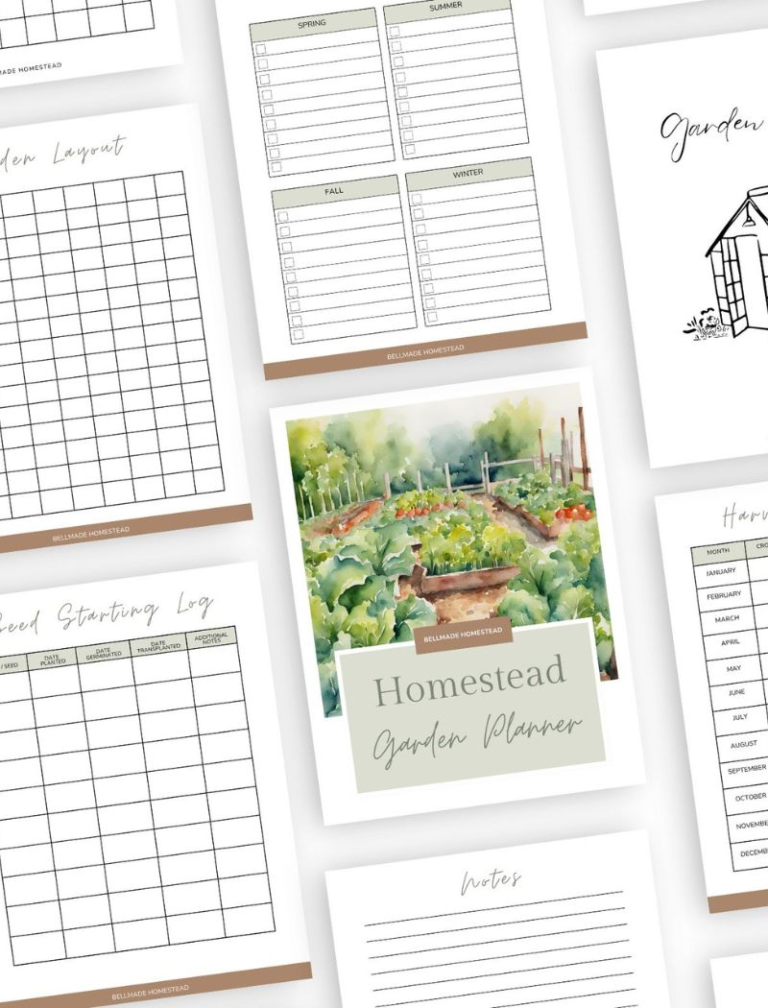
How to Start Seeds + Free Garden Planner

This post may contain affiliate links, please read our disclosure policy for details.
Do you want to start that garden this year? But don’t want to spend a fortune on starter plants? Learn how to start your own seeds to save money.
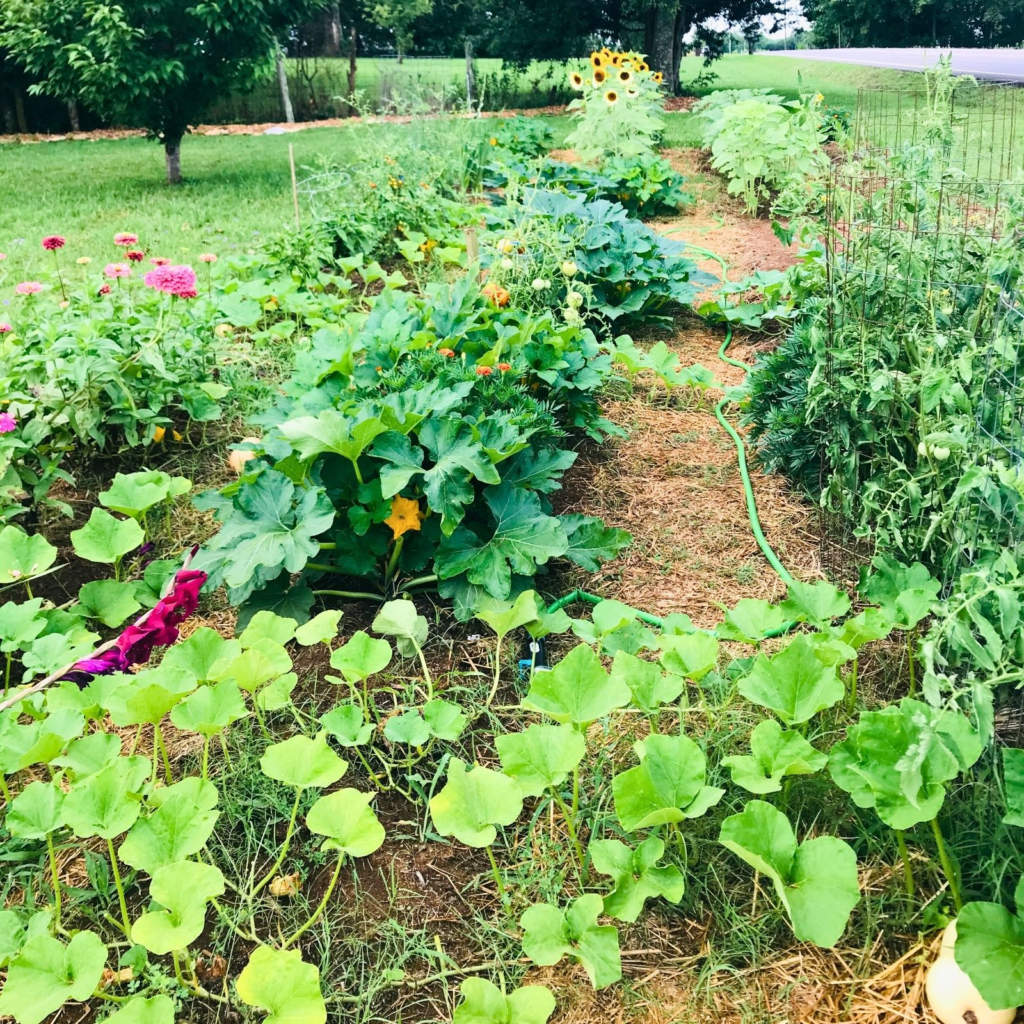
Starting seeds is easier than you think. You only need a few supplies to grow and have your own garden. You can start them indoors or outdoors depending on the time of year and your growing zone. The first thing is to get the supplies that you’ll need.
There will be a cost for items you don’t already own but after the first year, you will save money by already owning most items.
Supplies Needed to Start Seeds
Similar Homestead Posts to Explore
How to Start Seeds
First, you will need to read the seed packets to know when you should start your seeds. You can find out what your growing zone is by going to the USDA website here.
The seed packets will also tell you how many seeds to plant together and how deep they should be. For instance, plant three Marigold seeds about 1 inch deep in a container. Once they have grown some, clip off the two smaller shorter seedlings to help the taller bigger one to grow.
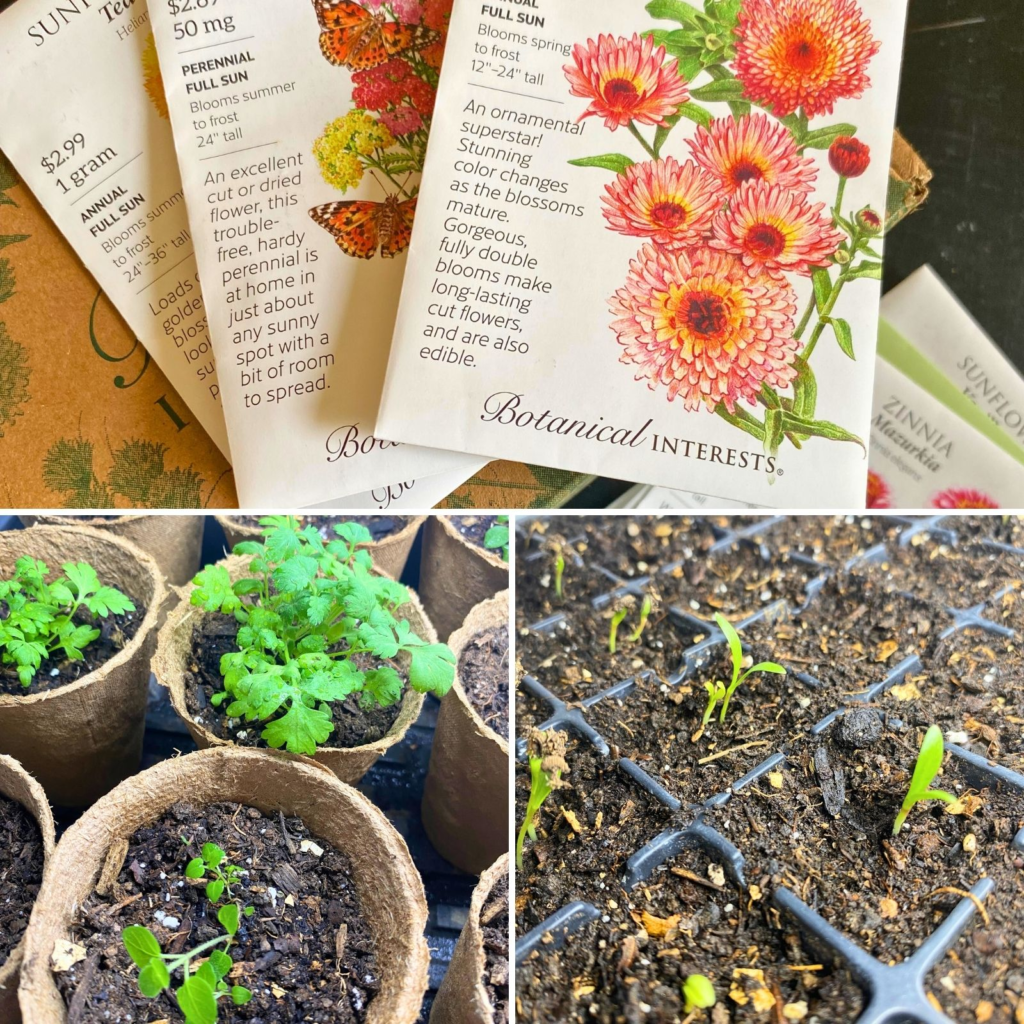
If starting seeds indoors, you will want to get all of the grow lights set up on the shelf unit. If starting outdoors, you will need to find a sunny spot for them like on the steps of a porch.
Next, determine which seeds you want to start and start sowing! Ensure to water the seeds well after planting and water daily according to the seed packets.
Use popsicle sticks to label what seeds are in each container by sliding them down into the side of the container, being careful not to bother the seeds.
Keep the grow lights on the indoor seedlings for six to eight hours daily. The outdoor seedlings will get about that much depending on the weather.
However, bring them in if there is severe or very windy weather so they will not get damaged.
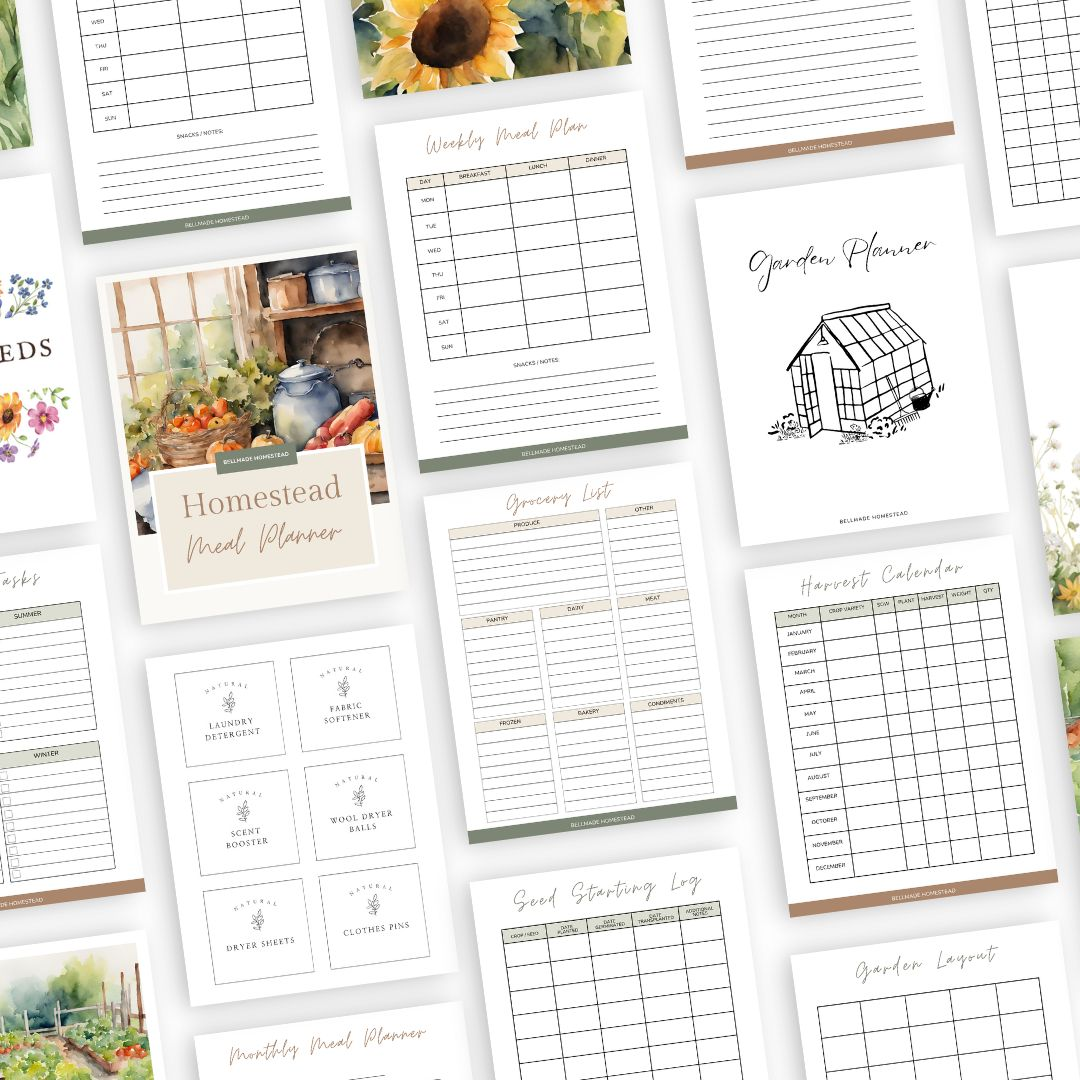
Free Resource library
The Country Living Toolkit
According to the seed packets, you will grow the seedlings for a certain amount of weeks until they need to be transplanted outside into a ground or a raised garden bed.
Once transplanted, keep watering daily depending on the seed packet instructions. It will also let you know when to harvest.
It’s also a good idea to do some research on the plants you are growing to know how to care for them properly, what diseases to look for, and how to protect them from certain pests organically.
Favorite Seed Companies
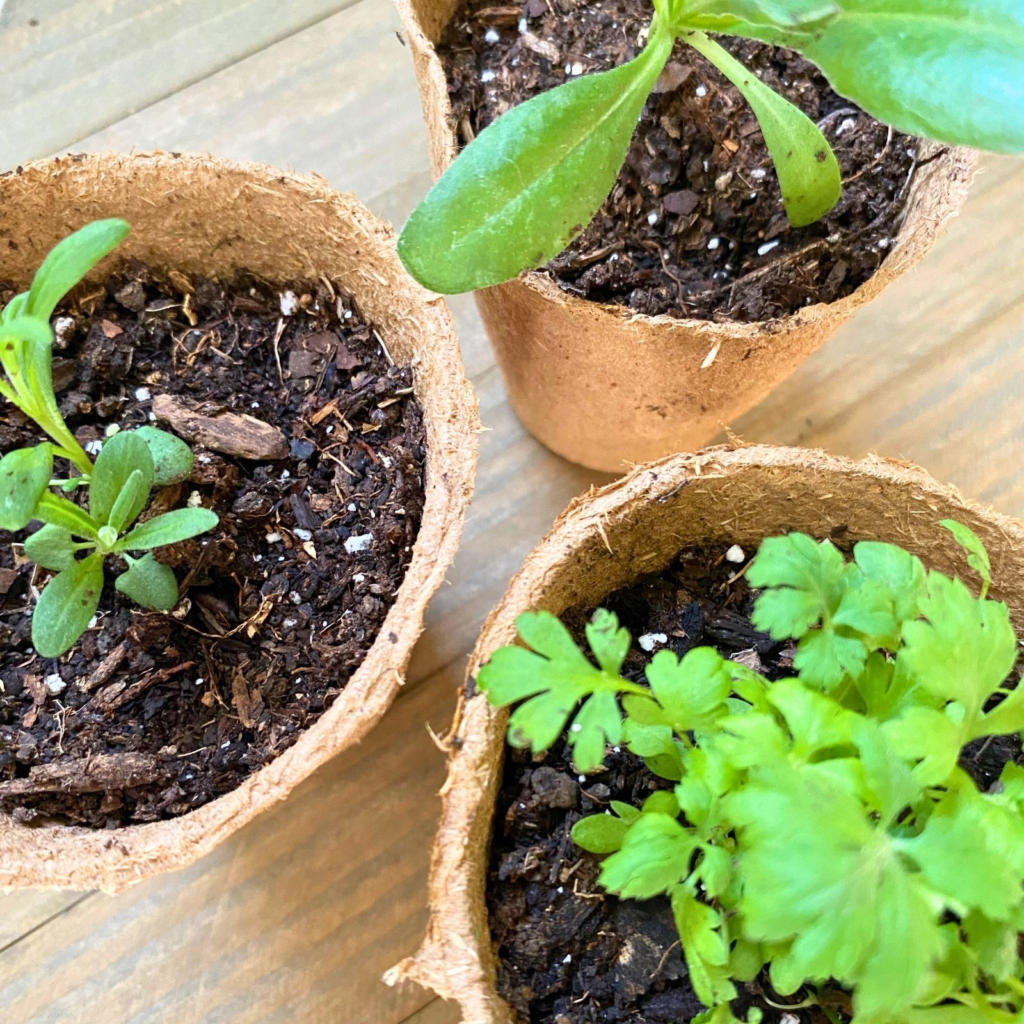
Which seeds will you start this growing season?
Did you find this post helpful?
If you liked this post, be sure to rate it and leave a comment below! Craving more? Follow along with me on Pinterest for more gardening inspiration!
Pin for Later